

Pedal sinks, fluid disappears, brakes drag. Each symptom narrows the fault before anything is opened — and stops a workshop replacing a cylinder that was never the problem.
A cylinder is usually blamed last and replaced first. Reading the symptom properly rules out the cheaper causes — air, a hose, a proportioning valve — before the gearbox or the brake line comes apart.
Symptom one: the pedal sinks slowly while holding pressure
This is the classic internal bypass. The seal lets fluid past inside the cylinder, so the pedal creeps down with no external leak and no fluid loss. If the pedal holds firm when you clamp the flexible hose, the fault is upstream in the master cylinder, not at the wheel.
Symptom two: fluid disappears with no puddle
On a brake wheel cylinder the fluid normally runs down the backplate and shows as a damp, dark patch. When nothing is visible and the level still drops, check the servo on a car with a hydraulic booster, or the clutch circuit on a shared reservoir — a CSC leaks into the bellhousing where it cannot be seen.
| Symptom | Most likely | Rule out first | Confirm by |
|---|---|---|---|
| Pedal sinks at standstill | Internal bypass in master or slave | Air in circuit | Clamping the flexible hose |
| Fluid loss, no visible leak | CSC seal into bellhousing, or servo | Loose union | Checking the bellhousing drain |
| Brakes drag after release | Collapsed hose or stuck piston | Pedal free play | Cracking the bleeder — does the drag release |
| Pedal feels spongy, then firm | Air ingress | Fluid level and cap seal | Pressure bleeding twice in a row |
| Pedal goes to floor, no resistance | Failed seal or empty reservoir | Broken pedal linkage | Visual inspection under load |
| Uneven braking, one wheel hot | Wheel cylinder seized one side | Contaminated shoes | Temperature comparison after a short drive |
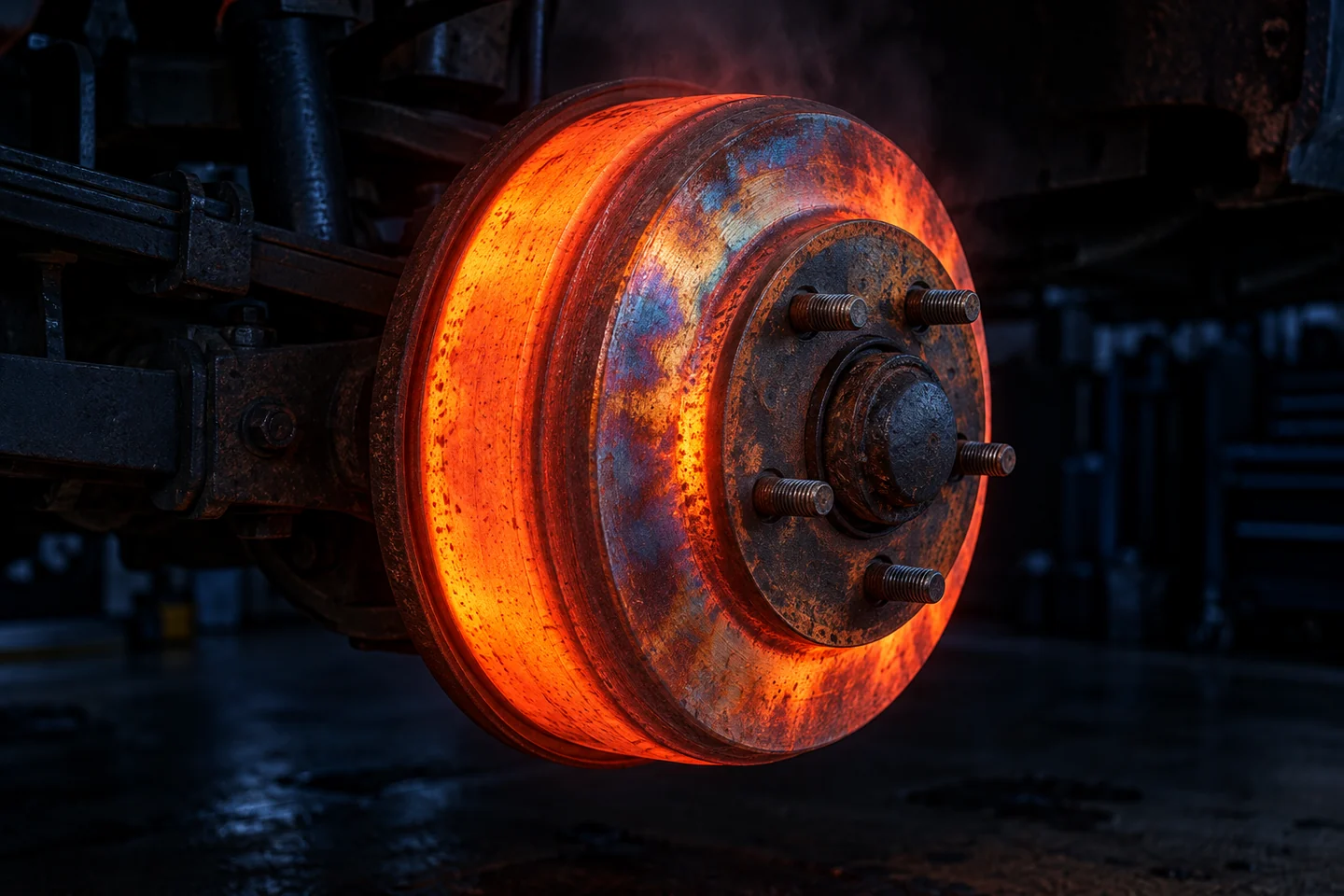
Symptom three: the brakes drag and the wheel runs hot
A dragging brake is more often a collapsed flexible hose than a cylinder. The hose delaminates inside, acts as a one-way valve, and holds pressure after the pedal is released. Crack the bleeder: if the drag releases and fluid spurts, the restriction is upstream of the caliper or cylinder.
If the drag stays after cracking the bleeder, the piston or cylinder is seized in the bore. That is the case where replacement beats a rebuild, because the bore is usually corroded behind the piston where the seal sat.
Symptom four: the clutch pedal loses feel when hot
Air enters a clutch circuit through a failing seal far more often than through the reservoir. When the pedal is normal cold and soft after twenty minutes of driving, suspect the slave cylinder seal or a CSC drawing air as the gearbox reaches temperature.
Bleeding restores it temporarily, which is exactly why the part gets replaced late. If a clutch circuit needs bleeding twice in a season and no fluid is lost, replace the cylinder rather than bleeding it again.
The check that saves the most money
Before replacing anything, measure the fluid loss over a week with the car on a clean floor and the reservoir marked. A cylinder that is not losing fluid and not bypassing is usually not the fault, and the money is better spent on the hose, the valve or the bleeding procedure.
Where a cylinder does need replacing, the quotation should name the OE reference it covers, so the workshop can confirm the part against the failed unit before fitting it.